
What OEM and ODM Mean for Sodium Battery Manufacturing

What OEM and ODM Mean for Sodium Battery Manufacturing Facebook Youtube Table of Contents OEM and ODM are two distinct manufacturing models in sodium battery production. The choice affects design control, cost, speed to market, and branding. In OEM, the brand owner provides the design and specifications, and the manufacturer produces the battery. In…
Sodium-Ion Battery for Grid Scale Energy Storage Success Stories

Sodium-Ion Battery for Grid Scale Energy Storage Success Stories Facebook Youtube Table of Contents Two flagship projects answer the question directly. The Datang Hubei sodium-ion station, a 100,000 kWh deployment, counts as a success story because it moved sodium-ion battery for grid scale energy storage from demonstration into utility-scale operation. The Taiyuan, Shanxi Province system…
Can sodium-ion batteries be shipped at 0V?
Can sodium-ion batteries be shipped at 0V? Facebook Youtube Table of Contents Yes, sodium-ion batteries shipped at 0V are possible, but only under certain conditions. The answer depends on three things: cell design, UN 38.3 testing and carrier acceptance. If any one of these is wrong, your shipment may not move. Some sodium-ion cells can…
Are Sodium-Ion 12V Batteries a True Drop-In Replacement for Lead-Acid?
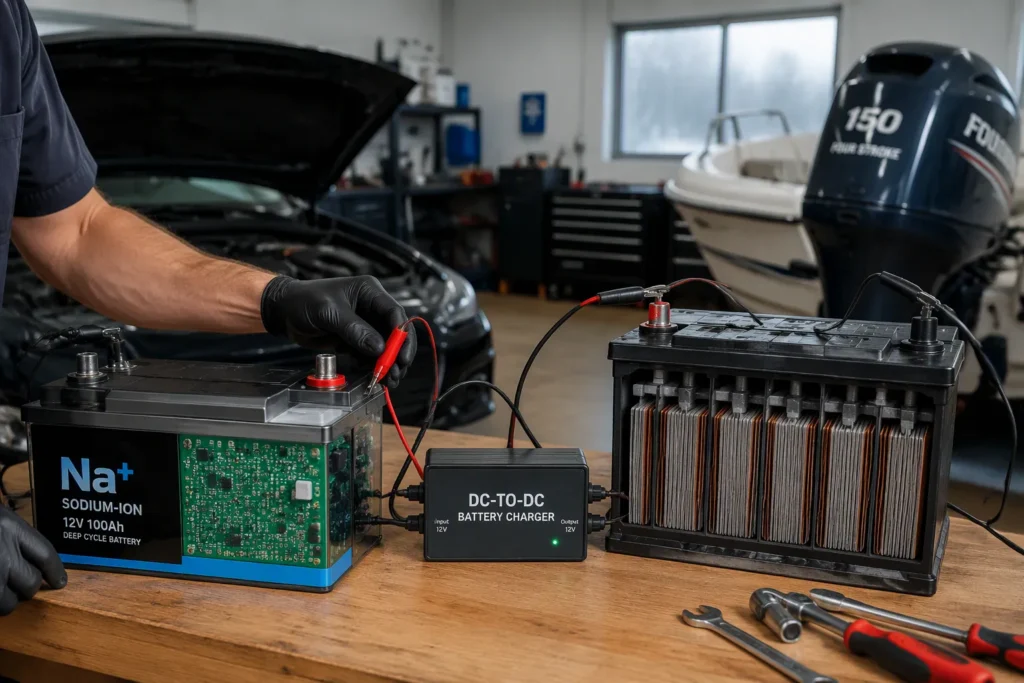
Are Sodium-Ion 12V Batteries a True Drop-In Replacement for Lead-Acid? Facebook Youtube Table of Contents Can you swap a lead-acid 12V battery for a sodium-ion one without touching your equipment, charger, or wiring? The honest answer is: it depends. This isn’t a simple yes or no. A true drop-in only works when a few conditions…
Sodium-ion battery module: 12V vs 48V vs high-voltage
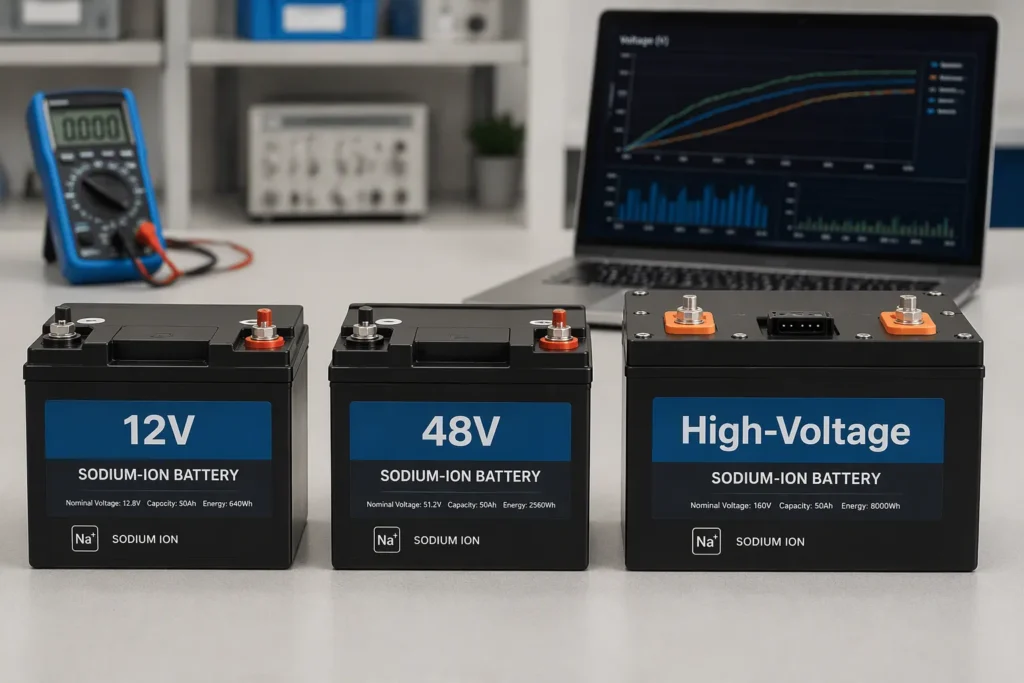
Sodium-ion battery module: 12V vs 48V vs high-voltage Facebook Youtube Table of Contents No single voltage suits every sodium-ion battery module. The right choice follows the application. A 12V unit serves small standalone systems and drop-in replacement duties. A 48V pack fits light mobility and modest stationary storage. High voltage suits larger traction and grid-connected…
Mix Sodium-Ion and Lithium Batteries? Here’s the Truth
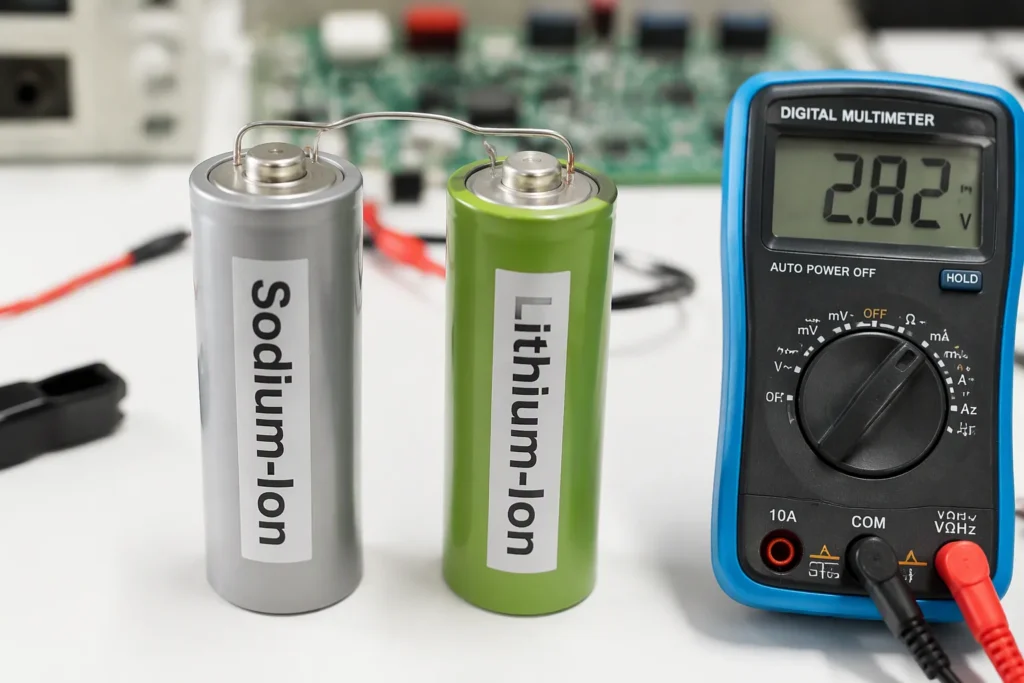
Mix Sodium-Ion and Lithium Batteries? Here’s the Truth Facebook Youtube Table of Contents Yes, you can technically mix sodium-ion and lithium batteries in one system. But it is usually not a good idea. Three problems get in the way: voltage ranges that don’t match, different charging profiles, and extra safety and warranty risks. The real…
Are sodium-ion batteries fully recyclable?
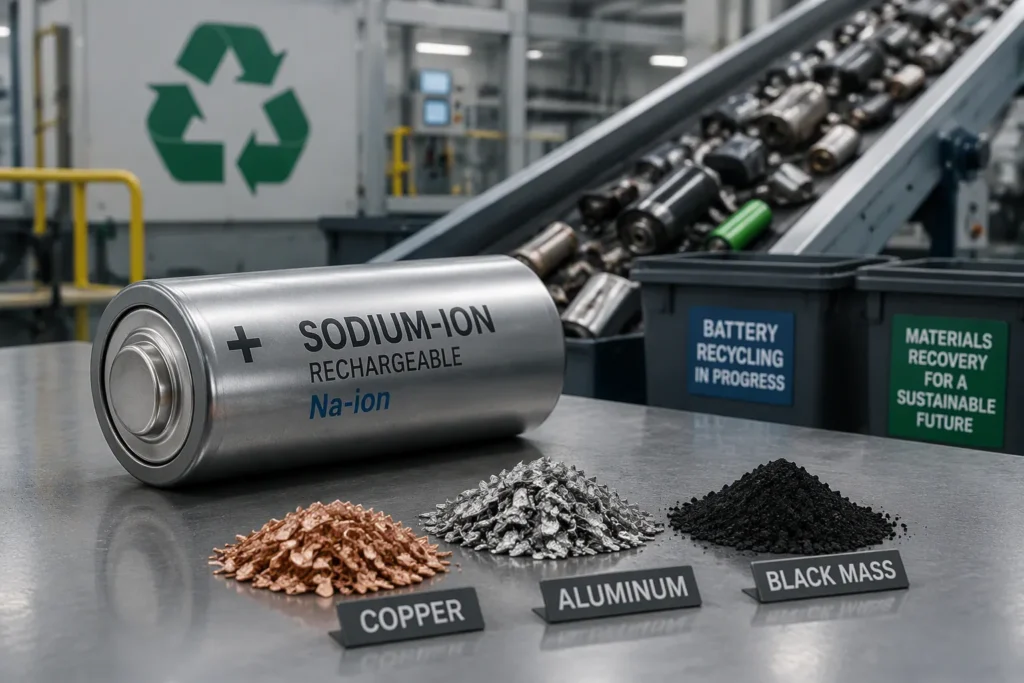
Are sodium-ion batteries fully recyclable? Facebook Youtube Table of Contents Sodium-ion batteries are not yet fully recyclable in practice. Most of their material mass can be recovered with existing processes, but some components still escape clean recovery. That gap matters for anyone judging recycling claims. “Fully recyclable” would mean every part of a spent cell…
Salt-Water Battery vs Sodium-Ion Battery: What’s the Difference?
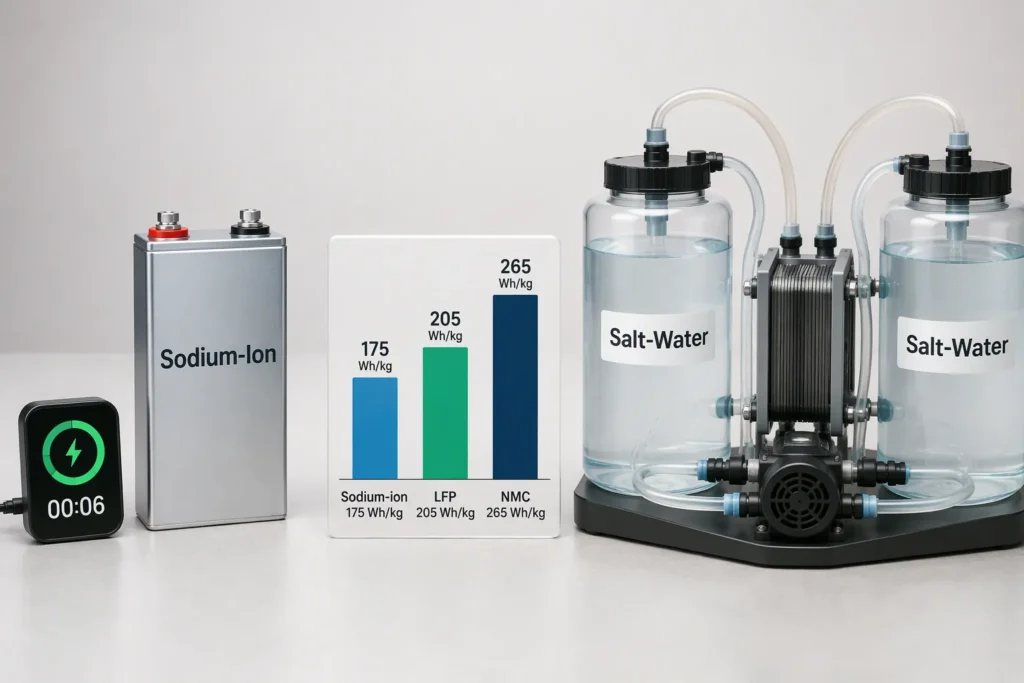
Salt-Water Battery vs Sodium-Ion Battery: What’s the Difference? Facebook Youtube Table of Contents A salt-water battery and a sodium-ion battery are not the same product. The two technologies are related, but each one works in a different way. Readers often think the names mean the same thing. This habit leads to poor buying choices. The…
Sodium-ion battery factory certification: UN38.3, CE, IEC
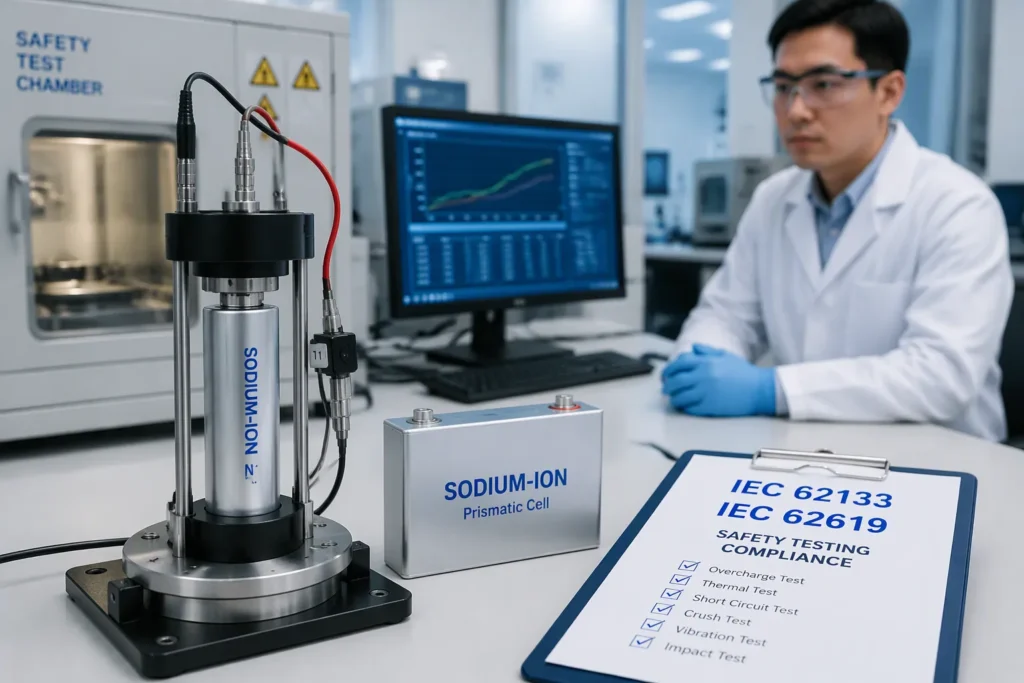
Sodium-ion battery factory certification: UN38.3, CE, IEC Facebook Youtube Table of Contents Three certification families govern sodium-ion batteries, and each plays a distinct role. UN38.3 covers transport, CE covers EU market access, and IEC covers product safety. Sodium-ion is a newer chemistry, so laboratories generally assess it under frameworks written for lithium cells. Buyers should…
Sodium-Ion Batteries Pros and Cons Explained for 2026
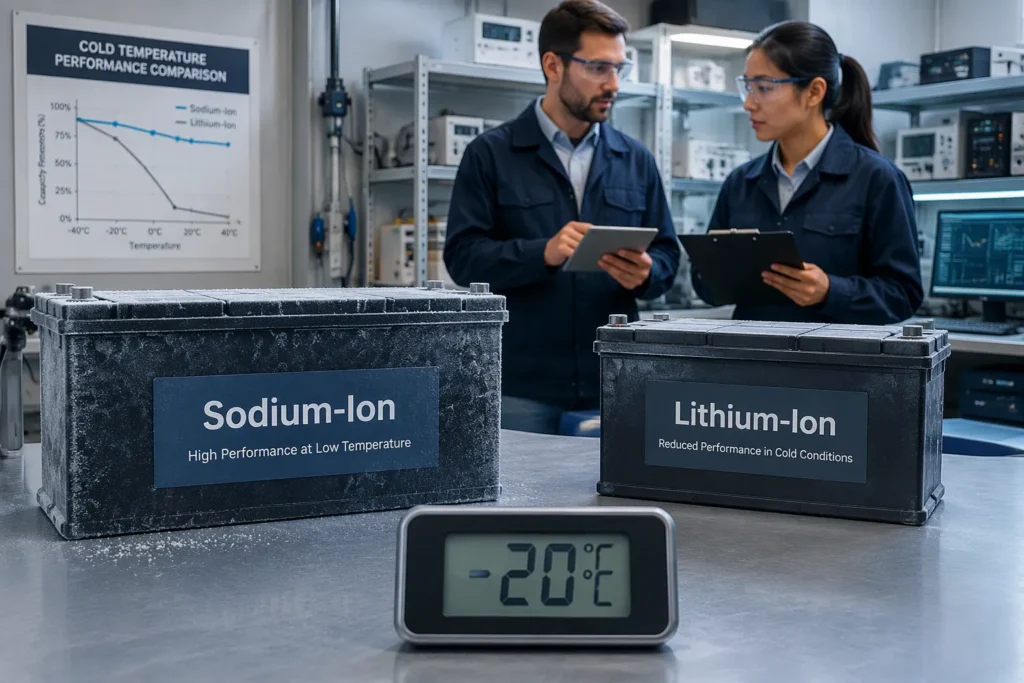
Sodium-Ion Batteries Pros and Cons Explained for 2026 Facebook Youtube Table of Contents Sodium-ion batteries offer a promising alternative to lithium-ion. They bring cost and environmental benefits. They also face real challenges, especially lower energy density. You see this technology move from labs into real products in 2026. That shift makes this topic important right…